Waste disposal laws for furniture removals in Knightsbridge
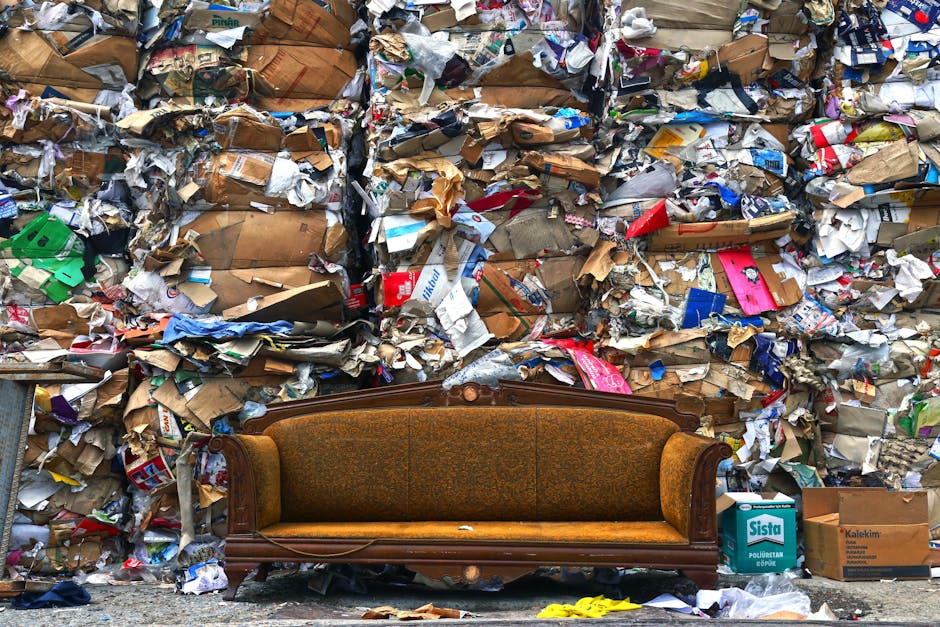
If you are arranging a move or clearing out old pieces, the rules around waste can feel oddly specific. One minute you are dealing with a sofa, the next you are wondering whether it counts as household waste, commercial waste, or something that needs special handling. That is exactly why understanding Waste disposal laws for furniture removals in Knightsbridge matters. In a place like Knightsbridge, where access, building rules, neighbours, and property standards can all be a bit exacting, getting disposal wrong is more than an inconvenience. It can lead to fines, delays, or a very awkward conversation with a concierge at 7:30 in the morning.
This guide breaks down what the law means in practice, how furniture removal should be managed, what good compliance looks like, and how to choose a lawful, efficient route without overcomplicating your day.
Why waste disposal laws matter
Furniture removals are not just about lifting heavy items and getting them out of the front hall. Once an item is no longer wanted, it becomes waste unless it is reused, resold, donated, or transferred in a lawful way. That shift matters because waste in the UK is governed by rules about duty of care, transport, disposal, transfer notes, and proper handling. Even if you are only moving one armchair and a tired bookcase, those rules still shape what happens next.
In Knightsbridge, there is also the practical reality of shared entrances, strict building management, and limited loading space. A removal job that looks simple on paper can quickly become messy if the waste side is not planned. Think of an old wardrobe left on the pavement, a mattress dumped beside bins, or a van collecting mixed items without the right arrangements. Not ideal. Not legal either.
People often assume furniture disposal is only about "getting rid of stuff," but the law treats waste more carefully than that. That is partly about environmental responsibility and partly about traceability. If furniture is collected by a removal team, the chain of responsibility should be clear. Who took it? Where is it going? Can it be reused? Is it being recycled, or must it go to licensed disposal?
For most households, the immediate concern is practical: how do I clear a flat without breaking rules? For landlords, agents, and businesses, the concern is bigger. You need reliable documentation, sensible timings, and a process that protects you if questions are raised later. In our experience, that is where a calm, organised approach saves the most stress.
Expert summary: The safest approach is simple: treat unwanted furniture as regulated waste unless it is clearly being reused, donated, or removed through a compliant collection route.
How furniture disposal works in practice
The legal side of furniture removals usually comes down to a few core steps. First, the item must be identified correctly. Is it reusable furniture, damaged furniture, bulky waste, or waste containing materials that need separate treatment? Second, the item must be removed by someone who can lawfully carry and manage it. Third, the end destination must be appropriate, whether that is reuse, refurbishment, recycling, or disposal.
In plain English: you should know where the item is going, and the person moving it should know what to do with it.
In the UK, waste carriers and removal operators should handle waste in a way that matches their duty of care. That typically means they do not just chuck it in a van and hope for the best. They should keep records where required, avoid fly-tipping, and separate recyclable material where possible. If you are booking a broader move, it may help to look at a trusted removal company or a more tailored service such as furniture pick up so the collection is handled properly from the start.
Furniture disposal can also be influenced by the type of building in Knightsbridge. Apartment blocks may require booked access slots, protective coverings in lifts, or proof of insurance before anyone starts moving large items through communal areas. Some buildings are relaxed; others are not. The difference is usually felt in the first five minutes.
There is another practical distinction worth making. A furniture removal during a house move is not always the same as a waste collection after a clear-out. If the item is being moved to another property, it is not waste at all. If it is being discarded, it becomes waste, and waste law starts to matter. Simple, but very easy to blur if you are rushing.
For many residents, the best route is a combination approach: keep reusable items separate, arrange lawful removal for damaged pieces, and choose a provider with a clear sustainability policy. If environmental handling matters to you, it is worth reading a company's approach to recycling and sustainability before you book.
Key benefits and practical advantages
Following the correct waste disposal process is not just about avoiding penalties. It makes the whole move smoother. That sounds obvious, but when a removal day is already full of boxes, paperwork, and people asking where the kettle went, smooth is a very good thing.
- Lower legal risk: You reduce the chance of improper disposal, fly-tipping issues, or disputes over responsibility.
- Better building compliance: Knightsbridge buildings often have access and management rules that can be easier to meet when disposal is scheduled properly.
- Cleaner handover: If you are moving out of a rented flat or preparing a sale, removing unwanted furniture lawfully helps the property present well.
- Less waste: Reuse and recycling can keep good-quality items out of landfill where possible.
- Less back-and-forth: If the removal team understands the waste route, you avoid surprise delays and extra trips.
There is also a time-saving benefit that people underestimate. Sorting out disposal after the removal day often costs more in effort, even when the item itself is small. It means finding storage space, making separate calls, and dealing with timing again later. To be fair, most people would rather do it once and move on.
When you are comparing services, look beyond whether they can physically lift the item. Ask whether they can also handle the legal and environmental side cleanly. That is the difference between a basic pickup and a properly managed removal.
Who this is for and when it makes sense
This guidance is useful for a few different people, and the details matter a little differently for each one.
Homeowners and tenants
If you are leaving a property in Knightsbridge, especially a flat or townhouse with limited storage, you may need to dispose of sofas, beds, wardrobes, tables, or office furniture that no longer belongs in the new home. The main issue is usually speed and lawful disposal. You want the old furniture gone, but you also want peace of mind that it was handled properly.
Landlords and managing agents
End-of-tenancy clearances can leave behind a mixed pile of items. Some are reusable, some are broken, and some are simply awkward. Here, the key question is traceability. If a removal team takes possession of the items, there should be a clear process from collection to final destination.
Businesses and offices
Office moves often involve desks, chairs, filing units, and reception furniture. In that setting, furniture disposal may sit alongside data security, access control, and tight handover timelines. A sensible route is often to combine disposal with office removals or office relocation services so the building is cleared in a coordinated way.
Anyone dealing with bulky or awkward pieces
If a wardrobe will not fit through the hallway without dismantling, or a sofa needs two people and some patience, you are already in the territory where proper planning helps. That is especially true in older Knightsbridge properties with narrow stairwells and protected communal finishes. A tiny misjudgement and suddenly the banister is marked. Not fun.
Step-by-step guidance
Here is a practical way to approach furniture disposal without getting tangled up in avoidable problems.
- List every item that is leaving. Be specific. A "bed" might mean a frame, mattress, headboard, and drawers. Each part can have different handling needs.
- Separate reuse from waste. If something is in decent condition, consider whether it can be reused, resold, or donated. Good items should not be treated like rubbish by default.
- Check access and timing. In Knightsbridge, loading restrictions, concierge rules, and parking limits can affect how long the job takes. Plan that early.
- Choose the correct removal route. A standard house move may suit items going to a new address, while furniture pick up or a waste-focused removal may be better for items being discarded.
- Ask how waste is handled after collection. A responsible provider should be able to explain whether items are reused, recycled, or sent to licensed disposal.
- Keep a record. Save the booking confirmation, item list, and any paperwork you are given. If there is a question later, this is useful.
- Inspect the property once cleared. Check for hidden items in cupboards, lofts, under beds, and behind radiators. People miss things. It happens.
A simple rule helps here: if you would be embarrassed to find the item abandoned on the street with your name attached, do not let it end up there. Slightly blunt, maybe, but it works.
Expert tips for better results
In practice, the best furniture removals are the ones that feel almost boring. Everything is prepared, the access works, and nobody is improvising with a couch too wide for the lift. That calm result usually comes from a few smart decisions.
- Photograph items before collection: Helpful for documenting condition, especially for landlord or office clear-outs.
- Measure awkward furniture: Large wardrobes, sideboards, and divan bases can be more complicated than they look.
- Book a slightly wider time window: Knightsbridge traffic and building access rules can create small delays that snowball.
- Keep reusable items together: If you plan to divert some furniture from waste, make that obvious before the team arrives.
- Ask about disassembly: Taking furniture apart in advance often reduces damage and speeds up the move.
- Use one clear decision-maker: Too many people giving instructions at the door leads to confusion. Every time.
If you are arranging a mixed move, it may make sense to choose a broader removal services package so collection, lifting, and disposal are coordinated in one visit. That is especially useful if there are stairs, limited parking, or a need for careful handling.
Another tip that sounds small but matters: confirm whether the provider is dealing with the items as disposal or transport. The paperwork and responsibilities can differ. If nobody can answer that clearly, pause. A good provider should be comfortable explaining it in everyday language, not jargon.
Common mistakes to avoid
Most disposal problems are avoidable. The mistake is usually not dramatic; it is just a small omission that causes trouble later. And in this part of London, small mistakes have a habit of becoming expensive ones.
- Leaving items on the pavement: Even if the collection is booked, dumping furniture outside before the right time can create enforcement issues or block access.
- Assuming every mover can handle waste: Some are focused on transport, not lawful disposal. Ask directly.
- Mixing reusable and damaged goods: This can make it harder to reuse items and may increase disposal costs.
- Ignoring building rules: Lift bookings, padding, and loading permissions are not optional in many blocks.
- Forgetting about mattresses and upholstered items: These often need more careful handling due to cleanliness, condition, and recycling considerations.
- Not checking final destination: If the item is being collected as waste, you should know where it is likely to go.
One more thing. Do not rely on verbal reassurance alone if the clearance is important. A quick email, booking note, or item list is worth its weight in saved stress.
Tools, resources and recommendations
You do not need a suitcase full of equipment to manage furniture disposal well, but a few basic tools and habits help.
- Measuring tape: Useful for doors, lifts, stair turns, and large pieces.
- Basic inventory list: A note on your phone is enough. Write down item names and rough condition.
- Protective covers or blankets: Useful if items are being moved through tight or polished interior spaces.
- Labels or coloured tape: Helpful for separating reuse, disposal, and keep piles.
- Photo log: Handy for offices, landlords, and anyone wanting a clear record.
For service planning, the most useful resources are often not flashy. A transparent pricing and quotes page, clear terms and conditions, and understandable health and safety policy can tell you a lot about how seriously a provider takes compliance. That is not glamorous, but it is reassuring.
If you want to understand how a company approaches trust and responsibility more broadly, a page like insurance and safety can be a useful signpost. The point is not to drown in paperwork; it is to see whether the basics are in place before a heavy sofa is halfway down the stairs.
Law, compliance, standards and best practice
Waste disposal law in the UK is built around responsibility. In furniture removals, that usually means the person producing the waste and the person carrying it both need to behave properly. The exact duties can depend on the arrangement, but the principle is simple: waste should be managed safely, honestly, and through lawful channels.
Good practice generally includes:
- making sure furniture is not abandoned in public spaces;
- using a legitimate carrier for waste transport;
- keeping any required records or transfer details;
- separating items for reuse or recycling where practical;
- avoiding unsafe handling that could injure workers or damage buildings;
- respecting local access, parking, and estate management rules.
It is also wise to distinguish between waste compliance and general moving compliance. A removal job can be perfectly lawful as transport, but still poorly handled if the operator does not manage the waste end responsibly. That distinction matters more than many people realise.
For commercial clients, the standard should be even higher. If you are clearing office furniture, you are likely dealing with larger volumes, more stakeholders, and a tighter audit trail. In that situation, choosing a provider that also handles commercial moves can make coordination far easier. Fewer moving parts. Fewer headaches.
Best practice in a high-value area like Knightsbridge is to be clear, documented, and conservative. If you are uncertain about whether something counts as reusable furniture or waste, err on the side of a more careful route. It is a small inconvenience compared with a compliance issue later.
Options and comparison table
There is no single right answer for every situation. The right option depends on condition, urgency, building access, and whether the furniture is being reused or discarded. Here is a practical comparison.
| Option | Best for | Advantages | Limitations |
|---|---|---|---|
| Reuse or donation | Good-condition furniture | Often the most sustainable choice; reduces waste | Not suitable for damaged, stained, or incomplete items |
| Furniture pick up | Single items or small clearances | Simple, convenient, often quick to arrange | May not suit larger or mixed-property clear-outs |
| Full removal service | Whole-property moves or mixed loads | Efficient for multiple items and difficult access | May be more than you need for one item |
| Office clearance support | Business furniture and desks | Better for bulk, timing, and coordination | Requires more planning and access control |
If you are trying to choose between a lighter collection and a full-service approach, ask yourself one question: do you only need the item gone, or do you need the whole situation solved? That answer usually points you in the right direction.
Case study or real-world example
Imagine a Knightsbridge apartment in a building with a narrow service lift, a strict loading window, and a concierge who wants everything booked in advance. The flat owner is moving out on a Friday afternoon and has three items to deal with: an old sofa, a dining table, and a desk chair that is still usable but no longer needed.
The owner first separates the chair for reuse and flags the sofa and table for disposal. They check the building rules, confirm the collection time, and make sure the route from flat to lift is clear. The removal team arrives, protects the hallway corners, and loads the items without blocking the entrance. The usable chair is kept separate from the waste load, which helps with sustainability and keeps the process tidy.
Nothing dramatic happened. Which is exactly the point.
The move stayed compliant because the disposal side was planned, the access rules were respected, and the items were handled in a traceable way. It is the kind of quiet success that nobody tweets about, but everyone appreciates when the keys are handed back.
Practical checklist
Use this checklist before furniture removal day. It keeps things straightforward.
- List every item to be removed.
- Separate reusable furniture from waste.
- Measure large or awkward items.
- Check lift, stair, and doorway access.
- Confirm building rules and collection timing.
- Decide whether you need a dedicated furniture collection or a broader removal service.
- Ask how the provider handles waste, reuse, and recycling.
- Keep written confirmation of the booking.
- Clear cupboards, drawers, and hidden storage areas.
- Take a quick photo record before collection if needed.
- Check the property after removal.
- Retain any paperwork or job notes until the move is fully settled.
A neat checklist does not just prevent errors. It lowers the emotional noise on the day, which is a real benefit when you are already trying to keep moving boxes from multiplying in the corner.
Get a free quote today and see how much you can save.
Conclusion
Waste disposal laws for furniture removals in Knightsbridge are really about doing a few simple things well: identifying what counts as waste, choosing a lawful collection route, protecting access and buildings, and keeping a clear record of what happens to unwanted items. Once you understand that, the process becomes much less daunting.
For homeowners, landlords, and businesses alike, the safest approach is organised, documented, and realistic. Keep reusable items out of the waste stream, use a trustworthy removal process, and do not leave the legal side as an afterthought. That small bit of planning can save time, money, and a fair amount of stress.
And honestly, that is what most people want from a furniture clearance: less faff, fewer surprises, and the relief of seeing an empty room at the end of the day. That feeling never really gets old.
Frequently Asked Questions
What counts as waste in furniture removals?
Furniture counts as waste when it is no longer wanted and is being discarded rather than reused, sold, or moved to another property. Once that decision is made, waste handling rules apply.
Do I need a licensed carrier for furniture disposal in Knightsbridge?
In most cases, yes, you should use a lawful and appropriate carrier for waste transport. That helps ensure the furniture is handled responsibly and not dumped illegally.
Can old furniture be reused instead of disposed of?
Yes, if it is in usable condition. Reuse is often better than disposal because it reduces waste and keeps items in circulation longer. It also tends to feel a bit better, truth be told.
Is it illegal to leave furniture outside my property for collection?
It can be if the items are left in a place or at a time that is not authorised, or if they cause an obstruction. Always follow the building rules and collection arrangements.
What should I ask a removal company before booking?
Ask how they handle waste, whether they separate reusable items, what paperwork or confirmation they provide, and how they manage access in Knightsbridge buildings.
How do waste rules affect flat clearances?
Flat clearances often need more planning because of shared hallways, lifts, parking restrictions, and concierge procedures. The legal side stays the same, but the logistics get tighter.
Are upholstered items treated differently?
Sometimes. Sofas, armchairs, and mattresses may need more careful handling because they can be harder to recycle and may require separate treatment depending on condition and destination.
What happens if furniture is fly-tipped after collection?
If waste is handled improperly, the responsibility can become a serious issue. That is why it is important to choose a provider with a clear, lawful disposal process and keep your records.
Do office furniture removals follow the same rules?
The core waste principles are similar, but office clearances often involve larger volumes, tighter scheduling, and more documentation. They usually benefit from a more structured approach.
How can I make my furniture removal more environmentally responsible?
Separate reusable furniture, ask about recycling, and choose a provider that prioritises sustainable handling. A good sustainability process should be practical, not just a nice phrase on a page.
Do I need paperwork for a small furniture pickup?
Not every small job needs complex paperwork, but you should still have clear confirmation of what is being collected and who is responsible for it. Simple records are often enough.
What is the best first step if I am unsure about disposal law?
Make a list of the items, decide which are reusable, and ask a removal provider how they handle waste. That single conversation clears up most confusion quickly.