Brompton Road removals Knightsbridge access and parking tips
Moving near Brompton Road can feel straightforward on a map and surprisingly tricky on the ground. The street sits in one of London's most tightly managed, high-traffic areas, with bus lanes, loading pressure, resident bays, busy pavements, and the kind of access pinch points that can turn a simple move into a long morning of waiting. If you are planning a home or office move, Brompton Road removals Knightsbridge access and parking tips are not just a nice extra. They are the difference between a calm, organised move and a day full of double-checking street signs, clock-watching, and wondering where the van can safely stop.
This guide breaks down what matters, how local access usually works, which parking issues catch people out, and how to plan a move that keeps disruption down. You will also find practical checklists, comparison points, and local links that can help you plan the wider move more confidently. Truth be told, Knightsbridge rewards preparation.
Table of Contents
- Why Brompton Road removals Knightsbridge access and parking tips Matters
- How Brompton Road removals Knightsbridge access and parking tips Works
- Key Benefits and Practical Advantages
- Who This Is For and When It Makes Sense
- Step-by-Step Guidance
- Expert Tips for Better Results
- Common Mistakes to Avoid
- Tools, Resources and Recommendations
- Law, Compliance, Standards, or Best Practice
- Options, Methods, or Comparison Table
- Case Study or Real-World Example
- Practical Checklist
- Conclusion
- Frequently Asked Questions
Why Brompton Road removals Knightsbridge access and parking tips Matters
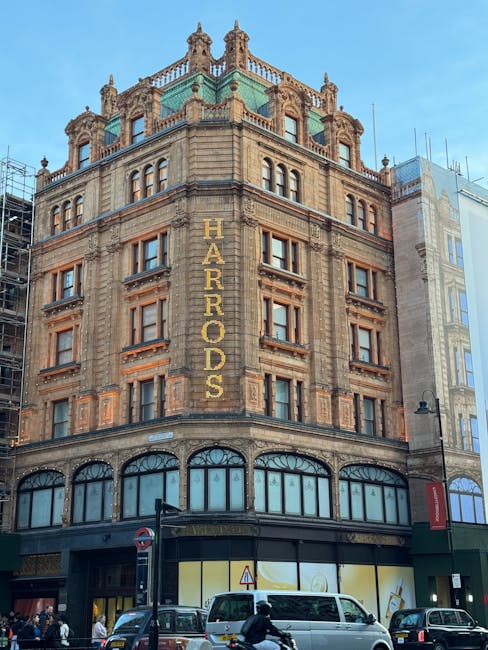
Brompton Road sits in a part of London where traffic, loading restrictions, and narrow windows for stopping can shape the entire move. If you are moving a flat, a townhouse, or a commercial space nearby, the address itself is only half the story. The real challenge is getting a vehicle close enough, keeping it legally positioned, and moving items efficiently without blocking other road users or drawing unnecessary attention.
That matters for three very practical reasons. First, access affects time. If a van cannot stop near the entrance, every box takes longer to move. Second, parking affects cost. Extra labour time, repeated shuttling, or waiting for a parking spot can all add pressure. Third, local streets around Knightsbridge can be unforgiving when a plan is vague. Let's face it, a move that depends on "we'll find somewhere" is usually the one that ends with a stressed phone call.
For residents and businesses in the area, it also helps to understand the neighbourhood context. Knightsbridge is a high-value, high-footfall district with a mix of residential buildings, boutique retail, embassies, offices, and hospitality venues. For a broader sense of the area, this Knightsbridge neighbourhood guide gives useful local background, while local insights and tips on living in Knightsbridge can help if you are planning a move into the area rather than out of it.
In short, access and parking are not side notes. They are part of the move itself.
How Brompton Road removals Knightsbridge access and parking tips Works
A well-run removal in this part of London usually starts before moving day, not on it. The process is about matching the property layout, vehicle size, loading conditions, and timing to the realities of Brompton Road and the surrounding streets.
Typically, the practical workflow looks like this:
- Assess the property access - Check whether the building has a lift, a loading bay, a concierge, stairs, or a service entrance. Older buildings in Knightsbridge can be elegant and awkward in equal measure.
- Review the vehicle plan - Decide whether a standard van, Luton van, or smaller vehicle is more realistic. In dense central London, smaller can sometimes mean smarter.
- Map parking and stopping options - Confirm where a vehicle can wait, load, or briefly stop without creating problems for traffic or local enforcement.
- Check timing - Early mornings can reduce congestion, but access rules, building hours, and neighbour considerations still matter.
- Prepare the route inside the building - Protect floors, measure doorways, and think through awkward turns before the first item is lifted.
- Coordinate with all parties - Concierge, building management, neighbours, movers, and the driver should all be working from the same plan.
On a practical level, the move often succeeds or fails on small details. Is the van too long for the street section available? Is there a concierge who can unlock a side entrance? Is a parking bay usable for long enough to complete loading? These are not glamorous questions, but they are the useful ones.
If you need a flexible local team for a tighter move, you may want to look at man and van services in Knightsbridge or a dedicated removal van option for Knightsbridge when the job is smaller or the access is more constrained.
Key Benefits and Practical Advantages
Good access planning does more than prevent headaches. It makes the move cleaner, faster, and often cheaper overall. That sounds obvious, but you would be surprised how often people focus on box counts and forget the street outside.
Here are the biggest advantages:
- Less waiting time - The crew can start work sooner if the van is positioned correctly.
- Lower risk of damage - Fewer handovers and shorter carrying distances reduce drops and scrapes.
- Less disruption to neighbours - A tidy, well-timed move is usually appreciated, especially in managed buildings.
- More accurate pricing - When the access plan is clear, estimates are usually more reliable.
- Better handling of awkward items - Heavy furniture, mirrors, artwork, and pianos can be staged properly.
There is also a psychological benefit. A move feels easier when you know the van has somewhere to go and the lifting route has been thought through. You are not making decisions under pressure. You are following a plan.
That is particularly useful for home removals in Knightsbridge, where residents often deal with larger furniture, tighter building access, and more formal building rules. It also helps for businesses, especially where you need office removals in London with minimal interruption.
Who This Is For and When It Makes Sense
This topic matters to more people than you might think. It is not only for full house moves. In Knightsbridge, access and parking questions come up for small jobs, specialist items, and even same-day relocations.
You will benefit from this advice if you are:
- moving into or out of a flat on or near Brompton Road
- relocating from a mews, townhouse, or serviced apartment
- moving an office, studio, or retail stockroom nearby
- transporting bulky furniture or valuable items
- arranging a short-notice move with limited flexibility
- working with a building that has concierge-controlled access
It is also relevant if you are comparing service types. A full-scale removals team, a smaller local crew, or a man with a van in Knightsbridge each makes sense in different situations. For a light move, a one-bedroom flat, or a quick collection, a smaller vehicle may be ideal. For larger homes or more complex access, a wider Knightsbridge removals service is usually the safer call.
And yes, it also matters if you are doing a partial move or combining services. A lot of people forget that the loading bay is the real bottleneck, not the box packing.
Step-by-Step Guidance
If you want the move to run smoothly, treat access and parking as a project of their own. Here is a simple, practical way to handle it.
1. Survey the property properly
Check the entrance width, stair layout, lift size, ceiling height, and any turns on the route from the front door to the van. A grand staircase looks lovely until you try to move a wardrobe around it. Measure the awkward bits, not just the obvious ones.
2. Confirm the parking situation early
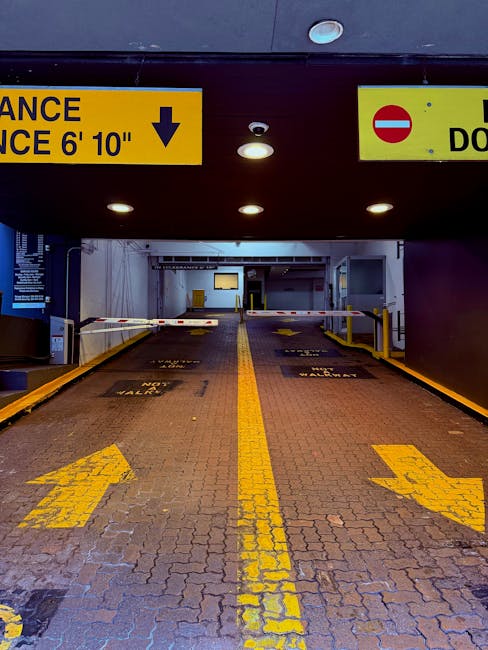
Look at where the vehicle can legally wait, load, or stop. Ask whether there are resident bays, limited waiting restrictions, loading only zones, or time-based controls that may affect the slot you choose. If you are unsure, do not assume the space will be fine "for a bit". London has a way of punishing that thought.
3. Time the move with the street in mind
Early starts often help with congestion, but you still need to factor in concierge hours, lift access, and any restrictions on moving during certain times. For some buildings, a 7:30am arrival is sensible. For others, it creates a key handover problem. It depends.
4. Choose the right vehicle size
A larger van can reduce trips, but it may be awkward on narrower sections of road. A smaller van can be easier to position, but it may mean extra runs. A balanced choice often works best in this part of London, especially where parking is tight and turnaround space is limited.
5. Pre-pack for speed
Label boxes clearly, disassemble furniture where possible, and keep essentials separate. If movers are waiting at the kerb, every minute saved inside the property matters outside as well. If you need support here, packing and boxes in Knightsbridge can make the process far easier.
6. Protect the route
Floor coverings, door guards, and corner protection help in both homes and offices. This matters in Knightsbridge, where finishes can be expensive and building managers can be understandably protective.
7. Confirm the handover plan
Make sure someone is available to meet the movers, unlock doors, and answer access questions. A tiny delay at the entrance can become a very long one when nobody has the key.
For heavier or awkward items such as upright instruments, it may be sensible to use a specialist service like piano removals in London, because access and handling need extra care.
Expert Tips for Better Results
These are the little details that tend to separate a decent move from a smooth one. None of them are flashy. All of them help.
- Photograph the access route before moving day. A few images of doorways, bays, staircases, and loading points can prevent confusion later.
- Ask about building rules in writing. Some developments have very specific move-in or move-out procedures, and it is better to know that before the van arrives.
- Keep a backup parking plan. If the first option is occupied, you need a sensible second choice close by.
- Use clearly marked essentials boxes. One box with documents, chargers, and a kettle can save you from a miserable first evening. Small thing, big relief.
- Protect high-value items early. Mirrors, artwork, and lighting fixtures should be packed before the rush starts.
- Plan for neighbours and pedestrians. A polite, tidy approach goes a long way in central London. People notice calm professionalism.
One practical observation from moves in this area: the quieter your arrival, the better the day usually goes. A van that pulls in neatly, with the team ready and the entrance prepared, often avoids half the friction people worry about.
If you are finishing a move and want the place to be guest-ready or tenancy-ready, services such as home cleaning in SW1/SW3 or carpet cleaning in Knightsbridge can be a useful final step. It is a small thing, but it makes a property feel properly wrapped up.
Common Mistakes to Avoid
Most access problems are avoidable. The frustrating part is that they are usually avoidable in very ordinary ways.
- Assuming parking will "sort itself out". On Brompton Road, that is a risky bet.
- Booking a vehicle too large for the street. Bigger is not always better in Knightsbridge.
- Ignoring building management requirements. Some properties need prior notice, lift protection, or approved moving times.
- Leaving packing until the last minute. Slow packing turns into slow loading, then slow unloading. The chain matters.
- Forgetting that traffic conditions change. A quiet road at 9:00am can look very different by midday.
- Not measuring the furniture. A sofa that fits in the lounge may not fit round the corner by the stairwell.
Another common issue is underestimating how long the move-out handover takes. Keys, inventory checks, concierge calls, and lift booking all take time. None of it is dramatic. It just adds up. And then everyone wonders where the morning went.
Tools, Resources and Recommendations
You do not need specialist software to move well, but a few simple tools make the process much easier.
| Tool or Resource | Why It Helps | Best Use |
|---|---|---|
| Floor plan or room list | Helps movers place items quickly and avoid repeated handling | Home and office moves |
| Labelled packing materials | Makes loading and unpacking more efficient | All move sizes |
| Measured access photos | Clarifies staircases, entrances, and loading points | Knightsbridge flats and managed buildings |
| Building management instructions | Reduces the chance of delays or access disputes | Apartment blocks and mixed-use properties |
| Trusted local removals service | Improves route planning and vehicle choice | Busy central London locations |
When comparing providers, do not just look at the headline service. Check whether they understand central London access, whether they can handle specialist items, and whether they are transparent about moving-day expectations. A solid overview of services and options can help you see the full picture.
If you want to compare providers more broadly, it can also help to review removal companies in London and see which one is genuinely equipped for dense urban access rather than just saying they are.
Law, Compliance, Standards, or Best Practice
For moves around Brompton Road, the safest approach is to follow local parking rules, building requirements, and standard transport best practice. Exact restrictions can vary by street, property, and time of day, so it is wise to confirm details before moving day rather than rely on memory or guesswork.
In practical terms, best practice usually means:
- using legal loading or stopping arrangements only
- checking whether parking bays require permits, paid sessions, or time limits
- respecting building access procedures and concierge guidance
- protecting communal spaces and shared surfaces during the move
- using insured movers with clear safety procedures
It is also sensible to work with a company that is open about safety, handling, and customer protections. You can review insurance and safety information as part of your decision, and if you want to understand how a company handles customer data and transactions, their payment and security details may also be useful.
Some buildings may have separate policies on access times, lift use, or contractor behaviour. Those are not just "nice to have" rules. They are part of keeping the move tidy and respectful. In a place like Knightsbridge, that matters.
Options, Methods, or Comparison Table
Different move types suit different access conditions. Here is a simple comparison to help you think through the best fit.
| Move Option | Best For | Pros | Trade-Offs |
|---|---|---|---|
| Full removals team | Larger homes, complex access, multiple rooms | Structured, efficient, better for heavy lifting | May cost more than a smaller service |
| Man and van | Smaller flats, single loads, lighter access needs | Flexible, often quicker to arrange | Less capacity for large or specialist items |
| Specialist item move | Pianos, antiques, artwork, fragile furniture | Better handling and protection | Requires more planning and sometimes more time |
| Same-day removal | Urgent or short-notice situations | Fast response when timing is tight | Less flexibility on preferred time slots |
If you need speed as well as local know-how, same-day removals in London can be worth considering, especially where access becomes available at short notice or a move has been brought forward. Just keep expectations realistic; same-day work still needs clear information.
Case Study or Real-World Example
Here is a realistic Knightsbridge scenario. A couple moving from a first-floor flat just off Brompton Road had a narrow staircase, a strict building handover slot, and only a short loading window available near the property. They originally assumed a larger van would make everything faster. After reviewing the route, it became clear that a slightly smaller vehicle would be easier to position without blocking traffic or forcing a long carry from a side street.
The move worked because the plan was adjusted before the day itself. Boxes were pre-labelled by room, the sofa was disassembled in advance, and the building manager confirmed lift access the day before. The team arrived early, unloaded in a single controlled run, and kept the pavement clear enough for pedestrians to pass safely. Nothing magical. Just good coordination.
What made the difference was not speed for its own sake. It was choosing the right access strategy. Had they kept the original plan, they would likely have spent more time manoeuvring than actually moving.
This kind of thinking also applies to property transitions and post-move work. If you are buying locally, articles like purchasing real estate in Knightsbridge and smart real estate investments in Knightsbridge can be useful if your move is tied to a wider property decision.
Practical Checklist
Use this checklist a few days before the move. It is simple, but it catches the stuff people forget.
- Confirm the exact address and entrance point
- Check whether the van can legally stop or load nearby
- Verify building access times and lift availability
- Measure larger furniture and awkward items
- Pack and label boxes by room
- Separate essentials, valuables, and documents
- Protect floors, walls, and door frames
- Notify concierge, neighbours, or building management if needed
- Keep a backup parking plan in case the first space is unavailable
- Arrange cleaning, carpet care, or end-of-tenancy finishing if required
If you are moving out of a rental or preparing a property for sale, end-of-move services such as home cleaning and carpet cleaning can help leave the place in far better shape. That last impression matters more than people think.
Expert summary: In Knightsbridge, the most successful removals are usually the ones where access, parking, timing, and building communication are planned before the van arrives. Keep the route short, the paperwork clear, and the vehicle realistic for the street. Simple, but not always easy.
Conclusion
Brompton Road removals Knightsbridge access and parking tips are really about one thing: reducing friction before it appears. In a busy central London area, the move is shaped by the street as much as by the property. When you plan access carefully, choose the right vehicle, confirm building rules, and keep parking options realistic, the whole experience becomes calmer and far more efficient.
Whether you are moving a compact flat, a large home, or a business space, the same principle holds. Good local knowledge saves time, protects your belongings, and makes the day feel manageable. And if the day still feels a bit much, that is normal. A move is a big transition, after all.
Get a free quote today and see how much you can save.
For a move that feels better organised from the first call to the last box, start with a team that understands Knightsbridge properly - the streets, the access points, and the small details that make all the difference.
Frequently Asked Questions
Can removals vehicles stop on Brompton Road?
Sometimes, but it depends on the exact location, the time of day, and the current parking or loading restrictions. Always check the local signage and plan for a legal stopping option rather than assuming space will be available.
What is the best time of day for a move near Knightsbridge?
Earlier in the day is often better because traffic can be lighter, but the best time also depends on building access rules, lift bookings, and any neighbour considerations. The right slot is the one that fits all three.
Do I need a permit for removals parking in central London?
Not always, but you may need to use a paid bay, loading area, or other authorised arrangement depending on the street. It is wise to confirm the exact requirements before moving day.
What size van is best for a Brompton Road move?
There is no single answer. A larger van may reduce trips, but a smaller van can be easier to position in tight streets. The best choice depends on your volume, building access, and parking conditions.
How far in advance should I book a removals team for Knightsbridge?
As early as you can, especially if your move involves managed building access or a busy weekend date. More notice gives you a better chance of securing the right vehicle and a sensible time slot.
What if my building has no lift?
Then planning becomes even more important. Measure stairs, protect communal areas, and make sure heavy items are handled by a team comfortable with manual carrying. Older Knightsbridge buildings often need that extra bit of care.
Can movers handle fragile or specialist items in Knightsbridge?
Yes, but specialist items should be flagged early. Pianos, antiques, and high-value furniture may need additional protection or a dedicated service such as piano removals in London.
How do I avoid parking fines on moving day?
Check the street restrictions in advance, use only legal loading or stopping options, and build in a backup plan. If you are unsure about a location, ask the removals team to review it before the move.
Is a man and van service enough for a Knightsbridge flat?
Often yes for smaller moves, but only if the access, volume, and parking all suit that format. For bigger homes or more complex loading conditions, a fuller removals service is usually a better fit.
Should I arrange cleaning after the move?
If you are handing back a rental or preparing a property for sale, yes, it is often worth doing. End-of-move cleaning can make the property feel properly finished and can help avoid last-minute stress.
What documents should I keep handy on moving day?
Keep keys, building instructions, contact numbers, and any parking or access confirmations in one easy-to-reach place. A small folder or envelope does the job well enough.
How can I tell if a removals company understands Knightsbridge properly?
They should ask practical questions about access, parking, lift use, timing, and vehicle size. If they only ask about boxes, that is not a great sign. Local knowledge shows in the questions they ask.